
call us now
+919013341025
Enquiry
Call Center:
+919013341025
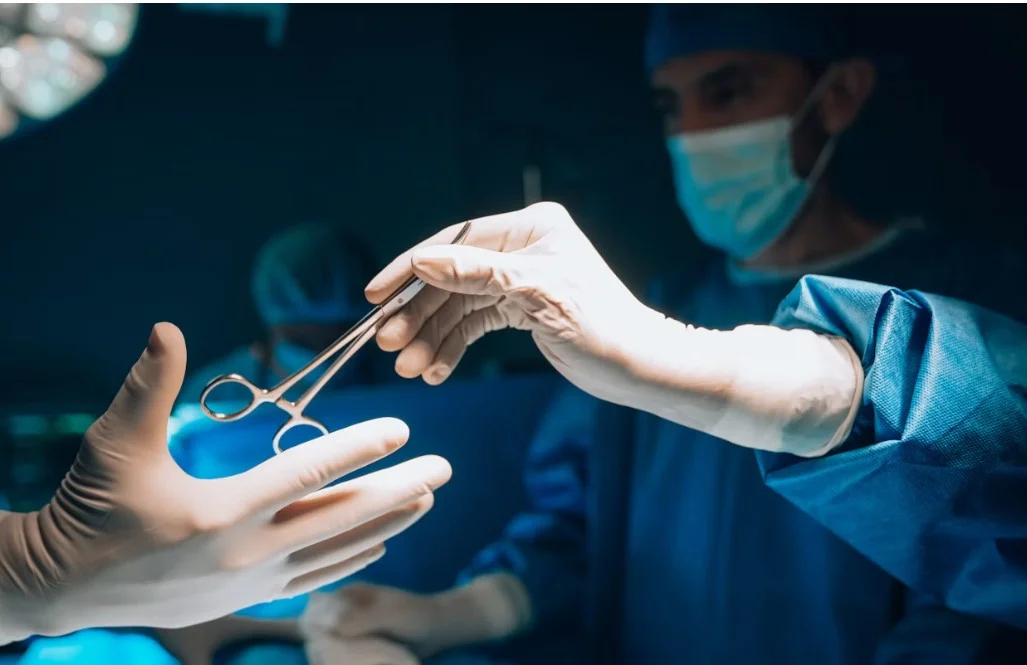
Two-wheeler accidents are among the most common causes of sudden, severe injuries on busy city roads. When a rider falls from a motorcycle or scooter, the impact often forces the head and shoulder violently in opposite directions. While bruises, broken collarbones, or dislocated joints are quickly noticed in emergency rooms, an invisible injury can happen deep within the neck: damage to the brachial plexus nerve network.
When this nerve network is stretched or torn, the signals connecting the spinal cord to the shoulder, elbow, wrist, and fingers are cut off. A rider may find that while their broken bones heal in a cast, their arm hangs limp, heavy, and unable to move. Understanding the role of brachial plexus surgery in Jhandewalan provides crucial clarity for injured individuals who need timely, specialized nerve care to regain functional use of their arm.
What Happens to the Nerves During a Crash
The brachial plexus is a bundle of five major nerve roots originating directly from the cervical spine. These nerves travel through the lower neck, cross beneath the collarbone, and branch out to control every muscle and sensory patch in the upper limb.
During a forceful fall, the severe stretching motion can pull these nerves beyond their natural elasticity. In milder situations, the nerves are merely concussed or stretched, which allows them to recover slowly on their own over several weeks. In severe impacts, however, the nerve trunks can rupture or pull completely free from the spinal cord, a serious condition known as root avulsion. Because disconnected nerves cannot mend across open gaps without surgical assistance, consulting specialists for brachial plexus surgery in Jhandewalan ensures an accurate clinical diagnosis before precious recovery time is lost.
Recognizing Early Warning Signs
The immediate aftermath of a road accident can make it difficult to tell why an arm feels motionless. Pain from shoulder dislocations, rib fractures, or arm splints often masks deeper nerve injury.
Several clear signals indicate that the nerve network itself is compromised. A persistent inability to lift the shoulder away from the body, an inability to bend the elbow to bring the hand to the mouth, or a total loss of feeling down the outer forearm are classic indicators of upper nerve root disruption. In more severe injuries involving all five roots, the entire arm, hand, and fingers become completely paralyzed and numb, creating a feeling like a dead weight hanging from the shoulder socket.
The Importance of the Timing Window
Unlike bone fractures that can often wait for planned fixation, nerve injuries operate on a strict biological countdown. When a motor nerve disconnects from a muscle, the tiny receptors at the muscle endplate begin a slow process of degeneration. If new nerve signals do not reach those muscles within twelve to eighteen months, the muscle tissue gradually turns into permanent fibrous fat, losing its ability to contract even if nerves heal later.
Diagnostic tests such as electrodiagnostic studies and high-resolution imaging give doctors a detailed roadmap of the injury. Electrodiagnostic tests measure whether faint electrical impulses still cross the shoulder, while specialized scans reveal whether nerve roots remain anchored in the spine. When diagnostic testing confirms torn or avulsed nerves, undergoing brachial plexus surgery in Jhandewalan gives surgeons the chance to bridge damaged gaps with nerve grafts or reroute healthy local nerves before the arm muscles undergo irreversible atrophy.
Surgical Options and the Rehabilitation Journey
Reconstructive nerve surgery uses high-precision microsurgical tools to restore communication pathways. When a gap exists, surgeons use sensory nerve grafts, often taken from the calf, to bridge the tear. When nerve roots are torn directly out of the spinal cord, surgeons perform nerve transfers, borrowing a small branch from a nearby functioning nerve and connecting it directly into the paralyzed arm muscle.
Recovering from nerve reconstruction requires patience and steady determination. Nerves regenerate at an average pace of approximately one millimeter per day. After surgery, the patient works closely with physical therapists to keep joints supple, reduce stiffness, and retrain the brain to activate muscles using the newly routed pathways. This steady rehabilitation process allows accident survivors to gradually regain essential arm mobility, rebuild strength, and reclaim daily independence.
Frequently Asked Questions
Can a stretched brachial plexus heal without an operation?
Mild stretch injuries often recover naturally within three to four months through rest and physical therapy. However, if clinical tests show no sign of muscle activity after three months, surgical options are considered.
What is a nerve transfer procedure?
A nerve transfer takes an expendable, working nerve fiber from a healthy muscle and reconnects it directly into a paralyzed muscle nearby, significantly reducing the distance the nerve must grow.
How long does full recovery take after nerve surgery?
Because nerves grow roughly one millimeter per day, noticeable muscle recovery typically begins between six to nine months post-surgery, with strength improvements continuing over two years.
- Brachial Plexus Surgery in New Rajinder Nagar
- Brachial Plexus Surgery in Karol Bagh
- Brachial Plexus Surgery in Patel Nagar
- Brachial Plexus Surgery in Jhandewalan