call us now
+919013341025
Enquiry
Call Center:
+919013341025
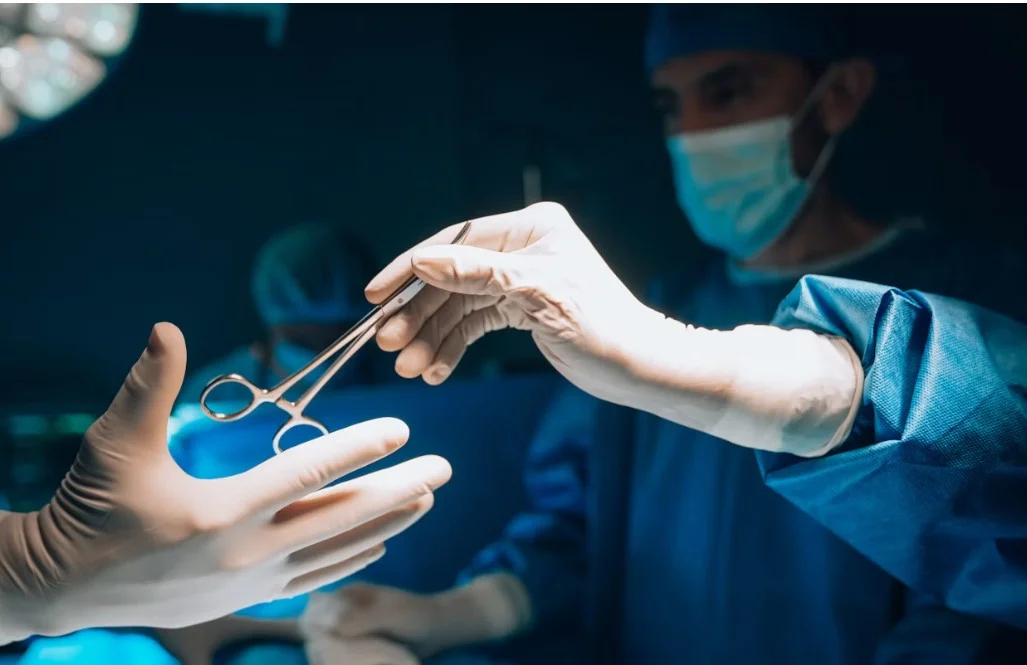
Plastic surgery is a medical specialty that focuses on restoring, reconstructing, or altering body structures. It includes reconstructive procedures that address injuries, congenital differences, burns, and changes caused by disease, as well as cosmetic procedures intended to change physical appearance. Although these areas share surgical techniques, their goals and the reasons for treatment can differ considerably.
Understanding the purpose of a procedure, its potential benefits, and its limitations helps individuals make informed decisions about surgical care. The appropriate approach depends on a person's medical history, physical condition, expectations, and the specific concern being addressed.
What Does Plastic Surgery Involve?
Plastic surgery covers a broad range of procedures involving the skin, soft tissues, and other body structures. Reconstructive surgery may help restore function or appearance following an injury, surgery, or congenital condition. Cosmetic surgery, on the other hand, generally aims to modify features that a person wishes to change.
Procedures can range from removing excess skin and repairing scars to reconstructing areas affected by burns or tissue loss. Some operations may also improve movement, comfort, or the ability to perform everyday activities.
The term plastic does not refer to synthetic materials. It comes from a word associated with shaping or forming. Surgical methods are selected according to the affected area, the extent of tissue damage, and the outcome that can reasonably be achieved.
Reconstructive Surgery After Injuries and Illness
Injuries, burns, infections, and certain medical treatments can alter the structure or function of body tissues. Reconstructive surgery may help repair these changes and support recovery.
For individuals seeking a Plastic Surgeon in New Rajinder Nagar, understanding the available reconstructive techniques can provide useful insight into how different injuries and tissue changes may be managed.
For example, skin grafting involves transferring healthy skin to cover an area where the skin has been damaged or lost. Flap surgery uses tissue that retains its own blood supply or is transferred with its blood vessels to reconstruct a damaged region. The choice depends on the wound, available tissue, circulation, and overall health.
Reconstruction following cancer surgery may also restore parts of the body affected by the removal of diseased tissue. Such procedures require careful planning, and treatment may involve coordination between different medical specialties.
Not every injury requires surgery. Wound care, dressings, medication, physiotherapy, and observation may be sufficient in some cases. The treatment plan depends on the nature of the injury and the likelihood of healing without an operation.
Cosmetic Procedures and Realistic Expectations
Cosmetic surgery includes procedures intended to change particular physical features. Examples include rhinoplasty, which alters the shape of the nose, and procedures that remove excess skin or reshape specific areas of the body.
The reasons for considering cosmetic surgery vary. Some individuals seek changes following pregnancy or substantial weight loss, while others have concerns about features they have noticed for many years.
However, surgery cannot guarantee a particular appearance or eliminate every perceived imperfection. Healing, scar formation, tissue characteristics, and individual anatomy can affect the final result. Photographs of other patients are not reliable predictions of how a procedure will turn out for someone else.
A thorough consultation should include an explanation of the proposed operation, available alternatives, expected recovery, possible complications, and the limitations of the anticipated result. Non-surgical options may be appropriate for some concerns, depending on their nature and severity.
How to Assess Whether Surgery Is Appropriate
The decision to undergo surgery requires more than identifying a physical concern. Medical history, current medication, allergies, previous operations, smoking habits, and existing health conditions may affect surgical suitability and recovery.
A clinical assessment helps determine whether the expected benefits justify the risks. Depending on the procedure, this may involve a physical examination, laboratory investigations, imaging, or evaluation by another specialist.
Individuals searching for a Plastic Surgeon in New Rajinder Nagar may be seeking information about procedures for reconstructive needs, scar correction, or cosmetic changes. Understanding the surgeon's relevant qualifications, specialist training, and experience with the proposed procedure is important when evaluating surgical care.
Similarly, those looking for a Plastic Surgeon in Karol Bagh may have different needs, ranging from reconstruction after an injury to planned cosmetic surgery. The suitability of a procedure depends on individual clinical findings rather than location or appearance-related expectations alone.
Understanding Surgical Risks and Recovery
Every surgical procedure carries some degree of risk. Depending on the operation, complications may include bleeding, infection, adverse reactions to anaesthesia, delayed wound healing, changes in sensation, or unfavourable scarring. Some procedures may require additional surgery if healing or results differ from expectations.
Recovery time varies according to the type and extent of surgery. Smaller procedures may require limited downtime, whereas complex reconstruction can involve longer recovery periods and multiple stages of treatment.
Postoperative instructions may include wound care, activity restrictions, medication use, and follow-up examinations. Returning to strenuous exercise or normal activities too early can interfere with healing.
Increasing pain, spreading redness, fever, unusual discharge, or sudden swelling after surgery may require prompt medical attention. The appropriate response depends on the symptoms and the procedure performed.
The Importance of Informed Decision-Making
Plastic surgery should be considered through a balanced understanding of medical need, personal goals, risks, and realistic outcomes. Reconstructive procedures can support tissue repair and function, while cosmetic procedures may change selected physical features. Neither type guarantees a perfect result.
Reliable information, a clear explanation of alternatives, and an understanding of recovery requirements help people make decisions that reflect their circumstances. Ultimately, the aim of surgical planning is to select an appropriate approach while prioritising safety, informed consent, and the individual's overall wellbeing.
FAQs
1. What is the difference between cosmetic and reconstructive plastic surgery?
Cosmetic surgery generally aims to change physical appearance, while reconstructive surgery focuses on repairing or restoring structures affected by injury, congenital differences, disease, or previous surgery.
2. Does every scar require plastic surgery?
No. Many scars improve over time or can be managed with non-surgical measures. Surgery may be considered for selected scars that cause functional problems or remain significantly troublesome.
3. How long does recovery from plastic surgery take?
Recovery depends on the procedure, the individual's health, and the body's healing response. The treating surgical team provides guidance on wound care, activity restrictions, and follow-up.
- Plastic Surgeon in New Rajinder Nagar
- Plastic Surgeon in Karol Bagh
- Plastic Surgeon in Patel Nagar
- Plastic Surgeon in Jhandewalan