
call us now
+919013341025
Enquiry
Call Center:
+919013341025
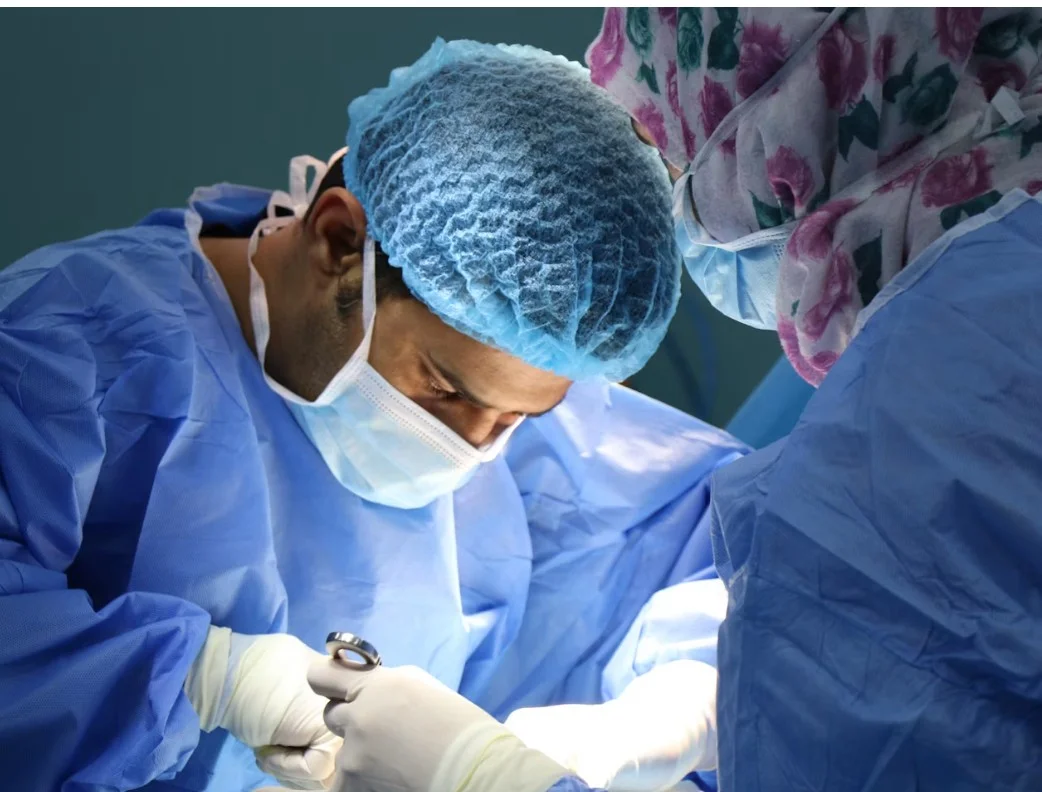
Peripheral nerves connect the brain and spinal cord to muscles, skin, and internal organs. When an injury, entrapment, or systemic issue disrupts these pathways, the result can range from persistent tingling to complete loss of motor function. While conservative approaches such as physical therapy and splinting often resolve early irritation, structural nerve damage usually requires timely intervention. Knowing how nerve surgery in Delhi is evaluated helps individuals identify key warning signs and understand the steps involved in restoring nerve function.
Recognizing Symptoms of Severe Nerve Damage
Peripheral nerves possess some natural capacity to heal, but severe compression, lacerations, or traction injuries frequently overwhelm the body's self-repair mechanisms.
Common indicators that clinical evaluation is needed include:
-
Persistent or worsening numbness: A total loss of protective sensation that leaves hands or feet vulnerable to burns or pressure sores.
-
Progressive motor weakness: Difficulty gripping everyday objects, sudden drops in wrist strength (wrist drop), or dragging the foot while walking (foot drop).
-
Radiating electric pain: Sharp, burning, or shooting pain that fails to subside with standard pain medication or rest.
-
Visible muscle atrophy: Shrinking muscle mass in the hand, forearm, or calf due to long-term signal deprivation.
When diagnostic evaluations such as electromyography (EMG) or nerve conduction studies (NCS) show significant signal conduction loss, conservative management is rarely enough. In these situations, scheduling a consultation for nerve surgery in Delhi ensures that nerve tissue is evaluated before permanent muscle wasting occurs.
Common Surgical Techniques for Nerve Repair
Depending on the underlying cause and the extent of the damage, neurosurgical and microvascular specialists employ several surgical approaches:
1. Nerve Decompression (Neurolysis)
When surrounding fibrous tissue, bone spurs, or tight anatomical tunnels pinch a nerve, decompression surgery opens the constriction. Releasing the pressure restores normal blood circulation to the nerve fibers and halts ongoing tissue damage.
2. Primary Nerve Repair (Neurorrhaphy)
For sharp, traumatic cuts—such as those caused by broken glass or sharp tools—surgeons align the severed ends under high magnification and repair the outer protective sheath with micro-sutures.
3. Nerve Grafting
When an injury creates a gap between the two severed ends of a nerve, stitching them together directly creates dangerous tension. Surgeons bridge this gap using a donor sensory nerve graft or a specialized bio-synthetic conduit.
4. Nerve Transfers
In high-level injuries where the distance to the target muscle is too long for slow regeneration to reach in time, an expendable healthy nerve branch nearby is redirected directly to the damaged target muscle.
Rehabilitation and the Recovery Process
Nerves regenerate at a steady but slow pace—typically about one millimeter per day. Consequently, recovery demands structured post-operative care and dedicated rehabilitation.
Physical and occupational therapies play a crucial role during this healing window by keeping joints mobile, retraining the brain to process sensory feedback, and preventing muscle contractures. Seeking an expert evaluation for nerve surgery in Delhi provides patients with access to comprehensive diagnostic testing, micro-surgical expertise, and coordinated physical therapy necessary for long-term functional recovery.
Frequently Asked Questions
How long does it take to recover after nerve surgery?
Recovery timelines vary significantly depending on the distance between the repaired nerve site and the target muscle. Simple decompression procedures often show improvement within weeks, while major repairs or grafts can take twelve months or longer for full functional regain.
Can a damaged nerve always be fully repaired?
Outcomes depend on patient age, the mechanism of injury, and especially the time elapsed before surgery. Procedures performed within months of injury offer substantially better recovery potential than those delayed until irreversible muscle atrophy has occurred.
Is nerve surgery painful?
Post-operative discomfort is managed with localized anesthesia and prescribed pain relievers. Over the subsequent months, patients often experience tingling or "pins and needles," which is a normal indicator of regenerating sensory axons.
- Nerve surgery in New Rajinder Nagar
- Nerve surgery in Karol Bagh
- Nerve surgery in Patel Nagar
- Nerve surgery in Jhandewalan