
call us now
+919013341025
Enquiry
Call Center:
+919013341025
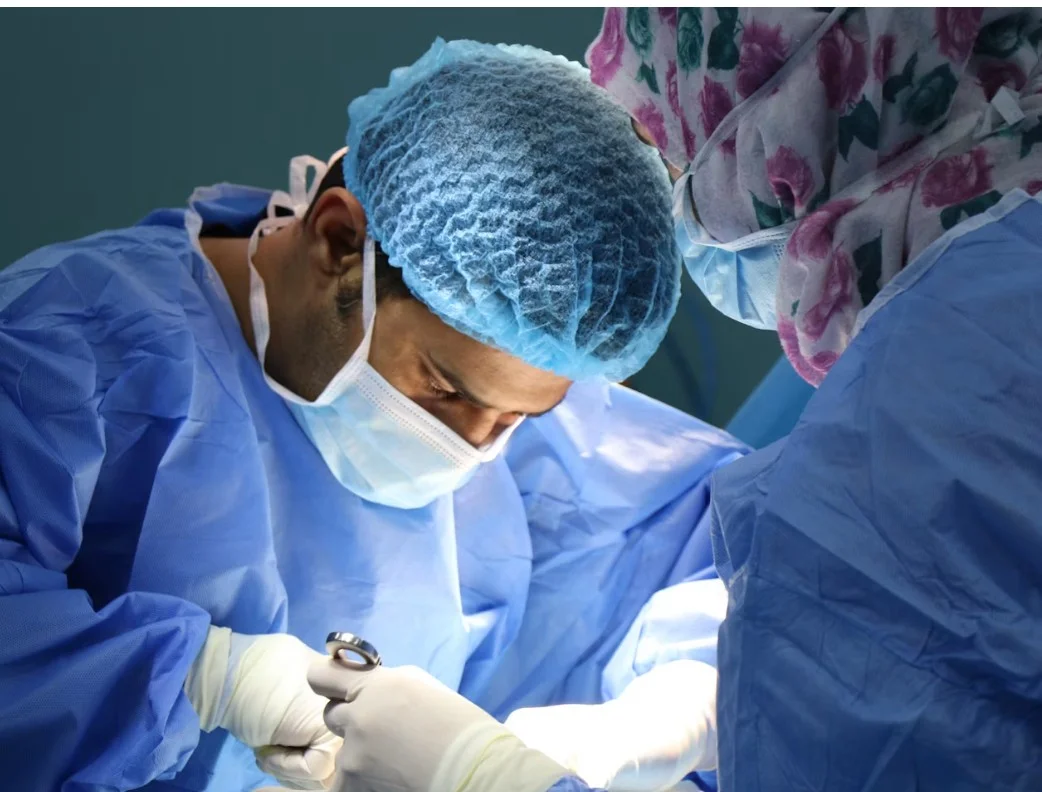
Some reconstructive problems are too complex to correct safely through a single operation. A severe injury may involve skin, muscle, tendons, nerves and bone at the same time, while previous surgery can leave behind scarring or altered anatomy. Trying to address every issue at once is not always the best approach.
Staged reconstruction allows different parts of the problem to be addressed in sequence. One operation may create healthy coverage, another may restore movement, and later treatment may focus on refining function or addressing scars.
Why a Single Operation May Not Be Enough
The body needs time to recover between major surgical procedures. In a complicated reconstruction, the immediate priority may be protecting exposed structures or establishing a healthy tissue foundation.
Once that stage has healed, further procedures can be planned with better conditions for reconstruction. This approach can make the overall treatment longer, but it may offer a more controlled route for complex cases.
What Determines the Order of Treatment?
The sequence is not the same for every patient. The surgeon may first address whichever problem poses the greatest risk to the affected area.
For example, the treatment sequence can depend on:
-
Whether vital structures are exposed
-
Presence of infection or damaged tissue
-
Blood supply to the affected area
-
Need for tendon or nerve repair
-
Bone or joint involvement
-
Condition of surrounding skin and soft tissue
The order is established around the needs of the injury rather than a fixed surgical formula.
Healthy Tissue Can Be the Foundation for Later Reconstruction
A reconstructed area needs adequate blood supply and suitable tissue to heal. If infection or severe tissue damage remains, additional reconstruction may need to wait until the site is ready. In some cases, the first stage may therefore focus on cleaning the wound, removing unhealthy tissue or establishing stable coverage before a more complex repair is attempted.
Functional Reconstruction Can Follow Tissue Coverage
Once the affected area is protected, the next stage may focus on movement or other function. Depending on the injury, this could involve tendon repair, nerve reconstruction, joint-related surgery or procedures designed to improve mobility. The timing of these stages has to balance the need for functional restoration with the healing requirements of the earlier reconstruction.
Rehabilitation Runs Alongside Surgical Treatment
Complex reconstruction is not completed simply because the final operation has been performed. Therapy may be needed between stages and after the complete surgical plan has been finished.
Rehabilitation can help maintain movement, reduce stiffness and gradually retrain the affected body part.
For hand or limb reconstruction, the timing of exercises can be particularly important because repaired structures may need protection while still requiring controlled movement.
What Can Patients Expect During a Multi-Stage Plan?
A staged treatment journey can involve periods of surgery, healing, rehabilitation and reassessment.
Patients may need to prepare for:
-
Temporary limits on physical activity
-
More than one hospital visit or procedure
-
Regular wound or surgical reviews
-
Rehabilitation between stages
-
Adjustments to work or daily routines
-
A longer overall treatment timeline
Knowing this beforehand can make the process easier to plan.
Previous Surgery Can Add Complexity
Scarring from earlier procedures can change normal tissue planes and make future operations more technically demanding. Previous repairs may also influence which reconstructive options remain available.
A detailed history of earlier procedures is therefore important when planning complex reconstruction.
How Surgeons Decide Whether Another Stage Is Necessary
After the first stage has healed, the surgical team can see more clearly how the repaired area is functioning. Movement, tissue healing, scar development and the progress of any earlier repair can all influence whether another procedure would add meaningful benefit.
Further surgery is not automatically necessary. It may be recommended when an additional step could improve movement, strength, coverage or another important aspect of function. For Reconstructive Surgeon in Delhi, Delhi Hand Clinic offers reconstructive surgical care for complex cases where treatment may need to progress through carefully planned stages.
Recovery Should Be Viewed as a Long-Term Process
Complex reconstruction often requires patience because different tissues heal at different speeds. Swelling may reduce gradually, scars can change over time and nerve recovery may take much longer than skin healing.
A patient may therefore notice progress in stages rather than seeing one immediate final result.
What Can Influence the Outcome?
Healing is affected by several factors, including the extent of the original damage, tissue condition, overall health, smoking, infection and adherence to post-operative instructions. Rehabilitation and follow-up are also important because they give the surgical team opportunities to adjust the plan when necessary.
When Reconstruction Becomes Urgent
Certain injuries require rapid specialist intervention, particularly when there is severe tissue loss, exposed bone or tendon, major hand or limb damage or compromised blood supply. Prompt surgical attention may help preserve tissue and create better possibilities for later reconstruction.
Conclusion
Complex reconstruction may need to happen in stages because different problems have to be addressed at different points in the healing process. The first operation may focus on protecting tissue, while later procedures restore movement, sensation or structural form.
FAQs
1. Why would reconstructive surgery be divided into stages?
Staging can allow tissues to heal between procedures and may make complex reconstruction safer or more practical.
2. Does every complex injury require multiple surgeries?
No. The number of operations depends on the extent of damage, available tissue and the reconstructive goals.
3. Is rehabilitation required between surgical stages?
It may be. Therapy can help maintain useful movement and prepare the affected area for later stages when appropriate.
4. Can nerve recovery take longer than wound healing?
Yes. Nerve recovery can occur much more slowly than the healing of skin or other tissues, depending on the type and extent of nerve damage.
CTA
Complex reconstruction may require careful sequencing rather than trying to correct every problem at once. Consult Delhi Hand Clinic for the Reconstructive Surgeon in Delhi to discuss a reconstructive plan based on the extent of tissue damage, functional goals and expected stages of treatment.
- Reconstructive Surgeon in New Rajinder Nagar
- Reconstructive Surgeon in Karol Bagh
- Reconstructive Surgeon in Patel Nagar
- Reconstructive Surgeon in Jhandewalan