
call us now
+919013341025
Enquiry
Call Center:
+919013341025
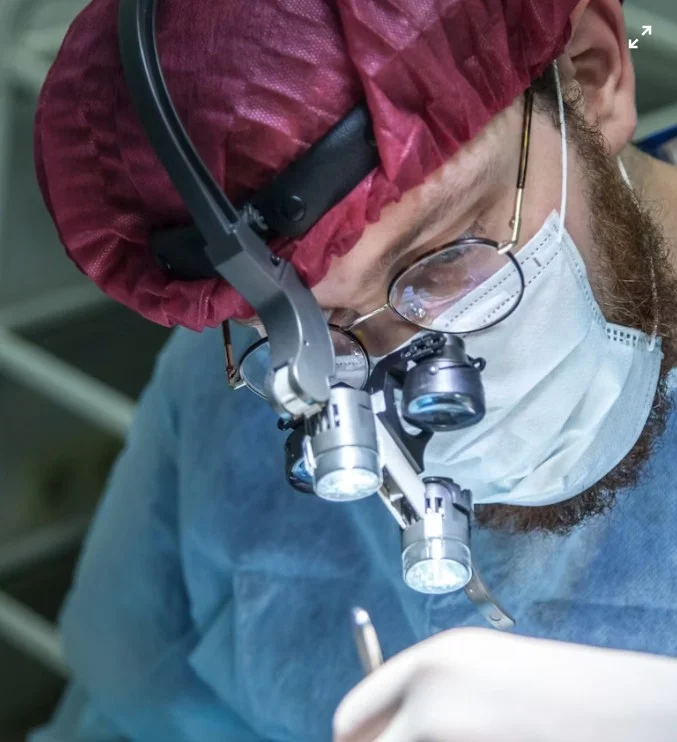
Finger stiffness can make ordinary activities such as fastening buttons, holding a cup, typing, or gripping a handle unexpectedly difficult. It may develop gradually or appear after an injury, prolonged immobilisation, inflammation, or surgery. The severity can range from mild tightness in the morning to a substantial loss of movement that interferes with everyday tasks.
Understanding the reason for restricted movement is essential because finger stiffness is a symptom rather than a diagnosis. Treatment depends on whether the problem originates in a joint, tendon, ligament, nerve, or surrounding soft tissue.
Common Causes of Finger Stiffness
Finger joints depend on coordinated movement between bones, cartilage, tendons, ligaments, and muscles. When any of these structures becomes injured or inflamed, normal bending and straightening may become difficult.
A fracture can cause stiffness through swelling, joint involvement, or a period of immobilisation. Tendon injuries may interfere with the ability to bend or straighten a finger, while ligament damage can cause pain and instability around a joint.
Conditions such as osteoarthritis may gradually reduce joint movement as cartilage and surrounding structures change. Inflammatory arthritis can produce swelling, tenderness, and prolonged morning stiffness. Trigger finger is another condition in which a finger catches or locks during movement because a tendon cannot glide smoothly through its surrounding sheath.
For individuals researching Hand Surgery in Patel Nagar, recognising these different causes helps explain why the appropriate treatment may range from exercises and medication to a procedure for a specific structural problem.
How Swelling and Immobilisation Affect Movement
Swelling is a normal response to injury, but persistent swelling can restrict the movement of small finger joints. Fluid accumulation around injured tissues increases pressure and can make bending uncomfortable.
After a fracture or operation, a splint or cast may be necessary to protect healing structures. However, reduced movement can cause tissues around the joints to become less flexible. Tendons may also glide less freely when swelling and scar tissue interfere with their normal movement.
This does not mean immobilisation should be avoided when it is medically necessary. Instead, the duration and position of immobilisation should be appropriate for the injury. Once movement is safe, a gradual rehabilitation programme can help reduce stiffness without placing excessive strain on healing tissues.
When Finger Stiffness Requires Medical Assessment
Persistent stiffness should not automatically be attributed to ageing or a minor strain. Medical assessment is particularly important when restricted movement follows an injury, worsens over time, or occurs alongside significant pain, redness, warmth, or swelling.
A clinician may examine the range of motion, joint stability, tendon function, sensation, and circulation. X-rays can help identify fractures or joint changes, while ultrasound or other imaging may be useful for selected tendon and soft-tissue problems.
Sudden inability to bend or straighten a finger after an injury, an obvious deformity, or a finger that becomes cold, pale, or numb requires prompt assessment. Early diagnosis can help prevent some injuries from developing into longer-term functional problems.
Treatment Options for Restoring Finger Movement
Treatment depends on the underlying cause. When stiffness is associated with mild swelling or a minor soft-tissue injury, temporary activity modification, appropriate support, and clinician-recommended exercises may help.
Hand therapy can include controlled range-of-motion exercises, tendon-gliding movements, and gradual strengthening. The exercises are selected according to the affected structures and the stage of recovery. Forcing a stiff finger through painful movement can worsen symptoms, particularly when an injury has not been properly assessed.
Medication may be recommended for certain inflammatory conditions or painful injuries. In selected cases, splinting can support a joint or guide movement. Trigger finger may be managed with activity changes, splinting, injections, or a procedure, depending on symptom severity and response to initial treatment.
Surgery may be considered when a structural problem cannot be adequately managed through non-surgical treatment. Examples include certain tendon injuries, unstable fractures, severe contractures, or persistent trigger finger. The expected benefit must be weighed against risks such as infection, scarring, and further stiffness.
The Role of Hand Surgery in Complex Cases
Surgery is not necessary for every stiff finger. However, when restricted movement results from a damaged tendon, a poorly aligned fracture, or scar tissue that limits normal function, an operation may be considered to address the underlying problem.
The technique depends on the diagnosis. A surgeon may repair a damaged structure, release tissue that restricts movement, or correct a bone or joint problem. Recovery often includes a carefully planned rehabilitation programme because surgical repair alone does not guarantee that normal movement will return.
The timing of therapy is especially important. Some repairs require protection before movement begins, while other procedures benefit from early controlled exercises. Treatment must be tailored to the structure involved and the stability of the repair.
Before considering Hand Surgery in Patel Nagar, it is important to understand the cause of stiffness, the expected benefits of the proposed procedure, and the rehabilitation that may be required afterwards.
Everyday Habits That Support Recovery
Following professional guidance is more useful than repeatedly forcing a stiff finger to move. Gentle exercises, when recommended, should be performed consistently and within the limits advised for the condition.
Protecting an injured finger from unnecessary strain, attending follow-up appointments, and following splinting instructions can support recovery. People with persistent joint symptoms should also avoid self-diagnosing the problem, as arthritis, tendon disorders, and previous injuries may require different approaches.
Recovery can be gradual. Some people regain movement within weeks, while severe injuries or long-standing joint problems may take considerably longer and may not respond completely to treatment.
When finger stiffness continues to interfere with daily activities despite appropriate care, Hand Surgery in Patel Nagar is one option people may encounter while learning about specialist assessment for structural hand problems. The decision to pursue surgery depends on the diagnosis, the limitations caused by the condition, and the likely benefits compared with non-surgical care.
FAQs
1. Can finger stiffness improve without surgery?
Yes. Depending on the cause, exercises, hand therapy, splinting, medication, and activity modification may improve movement. Surgery is reserved for selected conditions.
2. Why are fingers stiff in the morning?
Morning stiffness can occur with arthritis, inflammation, swelling, or other joint conditions. Persistent stiffness or symptoms accompanied by pain and swelling warrant medical assessment.
3. How long does it take to regain finger movement?
Recovery varies according to the cause, severity, and duration of stiffness. Mild problems may improve within weeks, while complex injuries or chronic conditions may require prolonged rehabilitation.
- Hand surgery in New Rajinder Nagar
- Hand surgery in Karol Bagh
- Hand surgery in Patel Nagar
- Hand surgery in Jhandewalan